
**Part 1: When Hypnosis Meets Sapporo’s Winter Magic**
Ever felt your mind buzzing like a phone on silent mode, desperate for an off-switch.
In our hyper-connected era, mental wellness often feels like chasing snowflakes in a blizzard—beautiful but fleeting.
But what if you could trade digital noise for diamond dust, and tension for tranquil focus.
I once tried self-hypnosis during a stressful week, expecting instant zen.
Instead, my brain kept replaying grocery lists—hard to explain, but it taught me that stillness isn’t about forcing calm.
It’s more like untangling Christmas lights: patience reveals the glow.
Now picture this contrast: Sapporo’s winter, where breath freezes into glittering diamond dust, yet Tamura of the Japan Hypnosis Club hosts events where minds thaw.
Satoland’s snowy fields become unlikely sanctuaries—banana boats and all.
Who’d think laughter on a frozen boat could sync with hypnotherapy’s gentle rewiring of neural pathways, the brain’s habit-building loops.
Here’s the twist: relaxation isn’t about emptying your mind.
It’s about curating its chaos.
Hypnosis, often misunderstood as mind control, is really a guided daydream where you hold the remote.
Imagine directing your mental camera away from anxiety and toward quiet confidence.
Ever notice how a single deep breath can pause a spiral.
In 2013, Tamura blended playful ice activities with hypnotherapy’s subtle power—a reminder that healing doesn’t always wear a serious face.
Fun fact: banana boats, those whimsical inflatables, oddly mirror how hypnotic suggestion works—a buoyant nudge toward new perspectives.
By the way, diamond dust isn’t just pretty; it’s ice crystals refracting light, much like how hypnosis breaks stress into manageable sparks.
So, what if your next breath could feel lighter, your thoughts clearer.
Could a shift in focus turn winter’s chill into inner warmth.
Details
Part 2: The Science of Winter’s Quiet Influence on the Mind.
The crisp air of Sapporo does more than chill the skin.
It sharpens focus, carving out mental space often crowded by daily distractions.
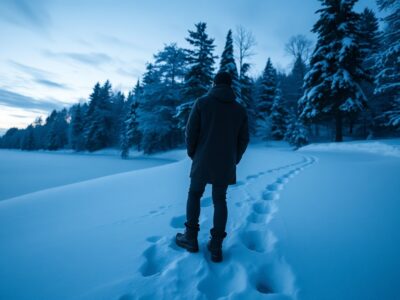
When you step into that snowy landscape, your senses awaken to subtle details—the crunch underfoot, the way light dances on ice.
This heightened awareness primes the brain for hypnotic techniques, which thrive on present-moment attention.
Neuroscience hints at why cold environments can enhance therapeutic practices.
Exposure to mild cold triggers the release of norepinephrine, a neurotransmitter linked to alertness and mood regulation.
Combine that with hypnosis’s ability to access the subconscious, and you have a potent recipe for mental shifts.
It’s not about losing control but about guiding your inner narrative with intention.
Tamura’s sessions in Satoland leverage this synergy.
Participants engage in lighthearted activities, like navigating banana boats, which lower defenses through laughter and play.
In such a state, the mind becomes more receptive to positive suggestions, rewiring old patterns without resistance.
The cold acts as a natural reset, stripping away mental clutter much like snow blankets the earth in silence.
Consider how winter symbolizes renewal beneath its stillness.
Trees shed leaves to conserve energy, animals hibernate to emerge refreshed.
Similarly, hypnosis encourages shedding unhelpful thoughts to make room for growth.
It’s a practice of selective focus, where you learn to amplify what serves you and release what doesn’t.
Ultimately, the blend of Sapporo’s winter and hypnotherapy underscores a universal truth.
Mental wellness isn’t found in escaping chaos but in finding anchors within it.
Whether through guided imagery or snowy adventures, the goal is the same.
Cultivate a mind that can weather any season with grace and resilience.
Summary
The crisp air of Sapporo does more than just chill the skin.
It sharpens focus, carving out mental space often crowded by daily distractions.
When you step into that snowy landscape, your senses awaken to subtle details—the crunch underfoot, the way light dances on ice.
This heightened awareness primes the brain for hypnotic techniques, which thrive on present-moment attention.
Neuroscience hints at why cold environments can enhance therapeutic practices.
Exposure to mild cold triggers the release of norepinephrine, a neurotransmitter linked to alertness and mood regulation.
Combine that with hypnosis’s ability to access the subconscious, and you have a potent recipe for mental shifts.
It’s not about losing control but about guiding your inner narrative with intention.
Tamura’s sessions in Satoland leverage this synergy.
Participants engage in lighthearted activities, like navigating banana boats, which lower resistance and foster openness.
Through gentle guidance, they learn to reframe thoughts, much like how winter’s quiet transforms a bustling city into a serene wonderland.
The experience leaves a lingering calm, a subtle reminder that peace often lies in embracing the present moment.

Comments